Andy Burham MP was today appointed as Prime Minister, the seventh Prime Minister in ten years.
Mr Burham has promised to ‘do things differently’ and to take a more collaborative approach to politics. He has pledged to launch a new 10-year plan for Britian later this year, though he was keen to stress he will also make changes from the start, including ending rough sleeping and building more council houses.
During his leadership campaign, he reiterated his support for devolution and spoke about the importance of regeneration.
Northern Housing Consortium Chief Executive Tracy Harrison said:
“We look forward to working with the new Prime Minister to give hope back to forgotten places. A good quality, affordable home is one of life’s essentials. Our Renew inquiry has found that housing-led regeneration can unlock at least 500,000 good quality homes across the North of England. It can bring hope by making sure more people have a great place to live, improving and residents’ health and wellbeing, and generating jobs. Housing-led regeneration – reviving struggling high streets with new homes, developing forgotten brownfield land, and renewing and redeveloping homes that no longer meet the needs of communities – can help bring growth to every postcode.
“The new Prime Minister has acknowledged the importance of regeneration, so we hope he will seize the moment to build on investment that the Government has already made in housing, with long-term devolved regeneration funding, and support to build local capacity and expertise. Our policy recommendations are about ensuring that regeneration is viable and achievable across the North, which has diverse needs and challenges beyond our cities. As Lara Joyce, Secretary of Gleadless Resident’s Association said, we need “to make it safe to feel hope again”.
“Andy Burnham is a big backer of devolution, and we know he wants to build on the success we have already seen in the North. In areas where devolution has progressed further, social housing providers and other partners have collaborated and have had real success scaling up what works for communities so more people and places benefit.”
Many of our members in Greater Manchester have worked closely with Andy Burham during his time as Mayor. Northern Housing Consortium Chair, Chief Executive of MSV Housing, and Chair of Greater Manchester Housing Providers Charlie Norman said:
“It has been great working with Andy Burham in Greater Manchester for the last 9 years, collaborating on a place first and housing first agenda, with people at its heart.”
https://renew.northern-consortium.org.uk/wp-content/uploads/2026/07/NHC-looks-forward-to-working-with-new-Prime-Minister-to-‘give-hope-for-forgotten-places-renew-website.png4801200Dan Ellwoodhttps://renew.northern-consortium.org.uk/wp-content/uploads/2025/11/Renew-by-NHC-logo-300x75.pngDan Ellwood2026-07-20 15:37:332026-07-22 08:10:34NHC looks forward to working with new Prime Minister to ‘give hope for forgotten places’
A Westminster Hall debate on estate regeneration was called by Luke Murphy, MP for Basingstoke. It triggered a lively discussion with broad consensus on the benefits of estate regeneration and the need to make sure it is done with residents rather than to them.
Northern Housing Consortium Chief Executive Tracy Harrison said:
“Housing-led regeneration is central to tackling the housing crisis in the North, so we were pleased to see the Westminster Hall debate on estate regeneration. Andy Burnham MP is making regeneration a priority, so it is great to see the issue is gaining the political momentum it deserves. Regeneration is a key issue for the NHC, our members, and communities across the North.
“Chair of our Renew Westminster Group, Andrew Cooper MP, referenced our Renew inquiry, supported by Homes for North and Muse, during the debate. Mr Cooper highlighted that without significant intervention, 100,000 social homes in the North could be lost over the coming decade. He also spoke about the far-reaching benefits of housing-led regeneration, and the need for regeneration to be delivered with communities.
“However, as Mr Cooper said, the challenge now is to turn ambition into delivery. Our Renew report shows that this cannot be done at the scale needed without support from Government to make estate regeneration in the North stack up. This includes long-term, devolved regeneration funding; a stronger national focus to enable local delivery, and support to build local capacity and expertise. Our policy recommendations are about ensuring that regeneration is viable and achievable across the North, which has diverse needs and challenges beyond our cities.”
“As was highlighted in the debate, the need to do regeneration with communities is also coming across strongly in the work of our inquiry. Our site visits are showing how crucial residents are in developing and delivering regeneration that makes a difference to people’s lives in communities across the North.”
The NHC’s Renew inquiry into housing-led regeneration for northern growth is calling for greater Government support to boost supply of new homes in the North, kickstart economic growth and create thriving communities.
Headline policy recommendations include:
Long-term devolved regeneration funding
A £500m per year, 10-year Place Based Regeneration Fund for Mayoral Strategic Authorities.
Increase the term of the National Housing Delivery Fund to 10 years to unlock more sites with higher upfront costs.
A national framework to enable local delivery:
A Minister for Regeneration to drive cross-government coordination.
Build local capacity and expertise:
Create a National Centre for Regeneration, based in the North, to rebuild capacity across the sector and lead research and innovation.
Build trust with residents:
Agree a set of standards and rights with residents involved in regeneration.
A link to Parliament TV coverage of the debate is here and the Hansard transcript is here.
It is a pleasure to serve under your chairmanship, Dr Murrison. I congratulate my hon. Friend the Member for Basingstoke (Luke Murphy) on securing this debate. I want to speak about the importance of housing-led regeneration. Done well, it transforms lives, rebuilds communities, unlocks economic growth and creates places where people want to live, work and raise families. Yet for many communities across the north, that aspiration remains out of reach.
Too many families live in ageing homes that are expensive to maintain, difficult to modernise and increasingly unfit for today’s needs. In many neighbourhoods, outdated layouts and ageing infrastructure no longer meet the needs of the communities they serve. Without significant intervention, 100,000 social homes could be lost over the coming decade, further reducing the supply of affordable housing. It is against that backdrop that the interim findings of the Renew inquiry are so important—I declare my interest as chair of the Westminster group for the inquiry.
Led by the Northern Housing Consortium, the inquiry highlights the vital role that regeneration can play in addressing housing needs, supporting economic development and strengthening communities across the north of England. The Renew report found that more than half a million good-quality homes could be unlocked through regeneration and renewal programmes, demonstrating the scale of the opportunity before us. The report highlights the transformative impact that regeneration can have on people and places. Beyond increasing housing supply, it offers an opportunity to create healthier, more sustainable communities, to reduce energy costs for residents, and to improve the overall quality of life in neighbourhoods that have experienced years of under-investment.
Importantly, regeneration delivers benefits that extend far beyond housing alone. Investment in homes can help attract investment in infrastructure, town centres and local services. It creates jobs, supports skills development and gives communities greater confidence in their future.
The impact therefore reaches well beyond the development site itself, generating wider social value and helping to create vibrant, sustainable places. However, successful regeneration cannot simply be done to communities; it must be delivered with communities. Residents should be at the heart of regeneration plans, helping to shape the future of the places they call home.
A good example can be found in the Gleadless Valley regeneration project in Sheffield. Residents’ involvement has shaped the vision for the valley to include commercial and community space, improved parks, paths, and jobs and training for local residents. Lara Joyce, from the Gleadless Valley tenants and residents association, described the process as “making hope feel safe again”.
That clearly demonstrates the importance of building trust with residents and ensuring local voices are heard throughout the process.
What is particularly encouraging is the growing recognition that the success of regeneration should not be measured solely by the number of homes delivered. Its value can also be seen in a stronger local economy, improved wellbeing and a more resilient community. The challenge now is to turn that ambition into delivery. If we get regeneration right, we will not simply build more homes. We will rebuild neighbourhoods, revitalise businesses and restore pride in communities. That is why housing-led regeneration matters, and why it deserves our continued support.
https://renew.northern-consortium.org.uk/wp-content/uploads/2026/07/Renew-tour-June.png4801200Dan Ellwoodhttps://renew.northern-consortium.org.uk/wp-content/uploads/2025/11/Renew-by-NHC-logo-300x75.pngDan Ellwood2026-07-16 15:49:342026-07-16 15:49:34Renew inquiry discussed in Westminster Hall debate on estate regeneration
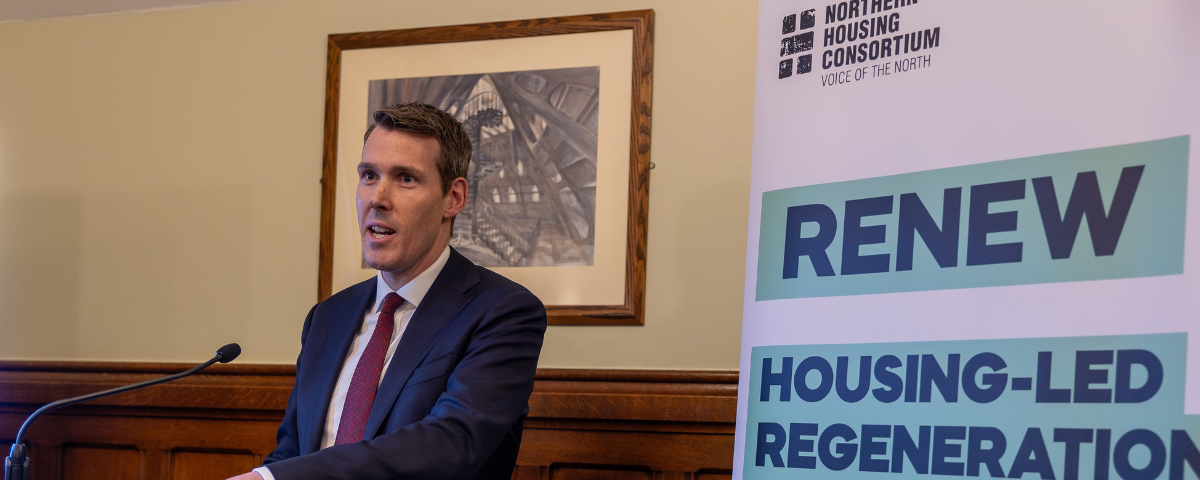
The event took place in Westminster, and there was a strong turnout of parliamentarians. The Minister welcomed the new report and reflected on the importance of regeneration. He listened to all the speakers and engaged with guests.
Other speakers included Andrew Cooper MP, who hosted the event and explained why good quality housing is so important. Lord Best OBE DL shared why he is chairing Renew and the importance of addressing poor quality homes alongside increasing new supply.
Our Chief Executive Tracy Harrison gave an overview of the report, highlighting the opportunity to boost supply of new homes in the North, kickstart economic growth and create thriving communities though housing led regeneration. She highlighted that housing providers in the North faced significant barriers, and only with support to overcome viability issues can the true potential of housing-led regeneration be unlocked.
Chief Executive of MSV housing and NHC Chair, Charlie Norman, gave a member’s perspective and drawing on her experience in Greater Manchester, highlighted how devolution can support regeneration. Secretary of the Gleadless Valley Residents Association Lara Joyce shared how regeneration can bring a sense of hope to residents, and why it’s important to deliver on promises to keep local people’s trust. She also talked about the importance of involving residents in shaping plans for their community.
What was clear from the event – and the report – is that housing-led regeneration is more than bricks and mortar and balance sheets. It is change for communities that need it most, and in Lara’s words, it’s about it feeling safe to feel hope.
https://renew.northern-consortium.org.uk/wp-content/uploads/2026/07/Renew-Matthew-Pennycook-MP.png4801200Dan Ellwoodhttps://renew.northern-consortium.org.uk/wp-content/uploads/2025/11/Renew-by-NHC-logo-300x75.pngDan Ellwood2026-07-08 09:32:122026-07-08 09:35:20Housing Minister welcomes Renew research at Westminster event
The Northern Housing Consortium (NHC) has today welcomed Andy Burnham’s focus on greater devolution of powers to places, and his statement that regeneration will be one of No10 North’s three priority areas. He stressed that everything starts with a good home, and the country needs to put that at the top of its priority list.
Andy Burnham’s call for greater devolution and a focus on housing and regeneration reflects recommendations made by the NHC’s current Renew inquiry into housing-led regeneration and how it can deliver growth, help tackle the housing crisis, and strengthen communities across the North.
Research published by the NHC through its inquiry earlier this month showed that housing-led regeneration can unlock at least 500,000 good-quality homes across the North. This includes more than 100,000 new homes in town and city centres, 320,000 homes on brownfield land and the renewal or replacement of 100,000 social homes in need of regeneration.
The Renew inquiry draws on evidence from organisations responsible for around one million of the North’s 1.4 million social homes and insights from more than 160 regeneration schemes.
Tracy Harrison, Chief Executive, NHC, said
“We welcome this renewed focus on regeneration and putting power back into the hands of people and places. In fact, it’s like he’s read our recent Renew Inquiry report and acted on it!
Giving the proposed No.10 North the power to focus on regeneration could be game changing for local communities. It’s great to see the importance of a good quality home as a foundation of a good life so clearly recognised. Our extensive research with housing providers in the North through the Renew Inquiry shows that housing-led regeneration is essential to increase the supply of new homes, attract private investment, and boost economic growth across our northern regions. It helps create great places to live, improves housing quality and residents’ health and wellbeing, generates jobs and skills opportunities, and promotes sustainability by providing greener, more energy-efficient homes that lower household bills.”
“The North’s towns and cities have different strengths, challenges and ambitions. People who know these places best are local leaders, working alongside residents, housing providers and businesses. More power must be devolved to them. It was great to hear the importance of collaboration to drive change, something that is happening across the North’s housing partnerships.”
These themes will be a key focus of the NHC’s Housing Partnerships Northern Conference on 2nd July in Leeds, which will bring together housing partnerships, Mayoral Strategic Authorities and key local stakeholders together to share learning and shape future policy.
The far-reaching role of housing-led regeneration, and the Renew inquiry, and partnership working have been big talking points at the Great Northern Theatre 26.
The importance of housing-led regeneration shone through in the morning. The day opened with a speech from Lord Best who set out how the continued focus on new homes was crowding out regeneration, despite a clear need. However, he was optimistic that the tide was turning, and the Renew inquiry, which he chairs, is a big part of this.
Next up was Patrick Murray, NHC Executive Director (Policy and External Relations) who shared the latest findings from Renew inquiry report ‘Unlocking over 500,000 good quality homes in the North’. He highlighted how housing-led regen is critical to driving growth, and invaluable in making sure smaller towns and places are not left behind. He talked about devolution and how we are already seeing benefits of a more place-based approach. However, he said there is a structural viability gap in the North and this can only be overcome with the right government support.
The next session, chaired by Inside Housing Editor Martin Hillditch, featured a range of perspectives on why regeneration at scale is important. Rachel Dennis Chief Executive, Incommunities said it was vital to address the full picture. In Bradford, where Incommunities is based, estate regeneration needs greater support to avoid ‘a doughnut of deprivation’ around the city centre. John Johnson Chief Executive, Bernicia Group talked about devolution being a potential gamechanger, but that central government needed to fully trust devolved authorities. Lara Joyce Secretary of the Gleadless Valley Resident Association shared how regeneration gives residents hope but that promises must be kept to avoid breaking residents’ trust. Finally, Phil Mayall Managing Director of Muse talked about why homes are an essential part of creating places people can thrive. However, he said viability challenges and the skills gap were holding things back.
The final session of the morning, chaired by Claire Warren, Chief Executive, Pickering and Ferens Homes covered community-led renewal. The panellists Cedric Boston, Group Chief Executive, Unity Homes and Enterprise, Louise Davies, Executive Director of Communities and Regeneration, Cobalt Housing, Darren Sterling, Assistant Director Strategy and Community Regeneration, Newcastle City Council and Kemoy Walker, youth ambassador at MSV Housing, were all clear that to really understand what residents want housing providers need to embed themselves in communities. Housing colleagues should go to where the residents are, for example youth clubs or community events.
In the afternoon the focus shifted onto devolution and partnership working. To avoid a post-lunch slump proceedings started with an illuminating conversion between Inside Housing Martin Hilditch and designer Wayne Hemmingway, who famously spoke out against the ‘Wimpyfication of Britain’. The chat covered housing design, the effects of high land values and the role of culture in driving regeneration.
Up next was a panel session about ‘Integrated settlements: Building connected systems for long-term growth’, chaired by Tracy Harrsion, with Ruth Davison Interim Director of Environment and Place, West Yorkshire Combined Authority, Ed Ferrari, Research Director, Mosidi, and Tom Hinchcliffe Director of Housing First, Greater Manchester Combined Authority. The panel agreed that we’ve come a long way with devolution, and that integrated settlements are helping deliver a more joined up approach to places. Importantly the discussion focused on the democratic mandate of Mayors and how more accountability should flow to local communities rather than central Government.
This was followed by a panel session on effective partnerships chaired by NHC Deputy Chief Executive James Ealey. Marc Edwards, Executive Director of Property at Gentoo, spoke about the North East Housing Partnership’s collaborative planned investment partnership which is helping North East housing providers save millions on the installation of new kitchens and create local employment opportunities. Shazia Bashir, Partner, Winckworth Sherwood, shared insights on partnerships from a legal perspective. Robin Tuddenham, Chief Executive, Calderdale Council, spoke about the need for local authorities to step forward and take a leading role in partnerships, and to get the balance right between structure and collaboration. Sasha Deepwell, Chief Executive, Irwell Valley Homes shared her experience of being part of Greater Manchester Housing Providers, the longest established housing partnership, and the huge impact it is having.
The afternoon was rounded off with a positive discussion, chaired by Tracy Harrison, about the northern offer and what we’ll deliver together. Nick Atkin, Yorkshire Housing Chief Executive, stressed that the social housing sector has a once a generation opportunity to make a difference and that we’re ready to step up. Tom Bridges Executive Regional Director (North East, Yorkshire & Humber), Homes England spoke about Homes England’s increased focus on placemaking and the opportunities available through the Social and Affordable Homes Programme and the National Housing Bank. Alison Dean Chief Executive Officer, Great Places felt optimistic, sharing examples of work happening in Greater Manchester and South Yorkshire, including bringing disused brownfield land back into use and renewing estates to make sure everyone has access to a good home.
The Great North Theatre showcased some of the fantastic work going on in the North. The message was clear – even more can be done with further support for housing-led regeneration and continued devolution.
https://renew.northern-consortium.org.uk/wp-content/uploads/2026/06/Housing-26-Tracy-and-Lord-Best.png4801200Dan Ellwoodhttps://renew.northern-consortium.org.uk/wp-content/uploads/2025/11/Renew-by-NHC-logo-300x75.pngDan Ellwood2026-06-26 11:51:592026-06-26 14:14:17Leading the way with regeneration, devolution and partnership working – the Great North Theatre 26
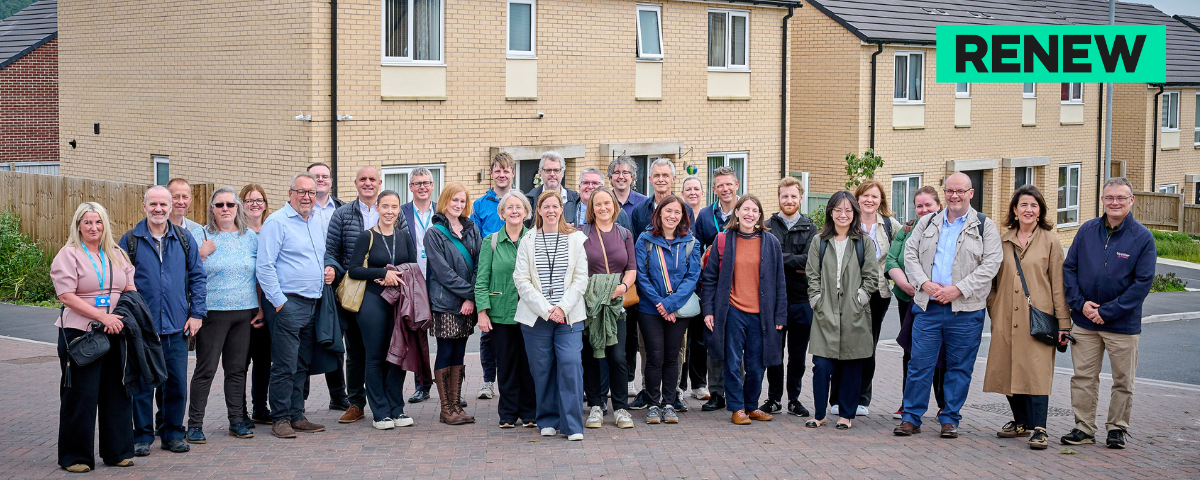
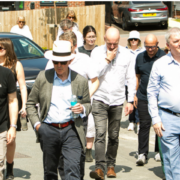
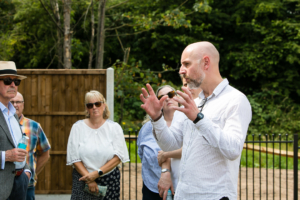
The Renew inquiry visited regeneration sites in Halifax to see what can be achieved and where even more can be done. Calderdale Council and Together Housing Group, who have been part of an investment partnership since 2017, hosted the visit.
The first stop on the tour was Boltworks where 122 new Build to Rent flats were built on a disused car park by Placefirst. Viability challenges were overcome through funding, including money from the Brownfield Housing Fund, to deliver good quality homes. This development, which completed in 2025, meets the need for smaller properties in the City ward due to a high proportion of single person households.
Next stop was the award-winning Beech Hill Regeneration project where 106 new affordable homes replaced three tower blocks which no longer met modern standards. In phase two, 70 mixed-tenure homes in the surrounding area were repaired and made more energy efficient. This reinvigorated the area which was becoming neglected and isolated.
After that we walked through the impressive Dean Clough, a former carpet mill that’s now a hotel, gallery, shops, restaurants and offices up to Haley Hill, a trio of 1960s tower blocks. These homes will benefit from Together Housing’s investment and retrofit work to ensure they remain modern, safe places to live.
Tower blocks were a hot topic of conversation. Together Housing spoke about their high-rise strategy and how they balance “immediate safety and compliance requirements with long-term investment decisions that deliver modern, sustainable homes and support thriving communities.”
The final stop of the tour was Minster View – a brownfield site which recently went out to market. It is hoped development of the land will contribute to town centre regeneration objectives as well as enhancing the local economy. The tour was rounded of by walking back through the regenerated Borough Market.
Earlier in the day the Renew Reference Group, a group of NHC members coming together to share insight on regeneration, met for a roundtable discussion about the latest findings from Renew, high rise development and the ten-year vision for Halifax.
The Renew inquiry will visit more regeneration sites over the summer to document what works well and where more needs to be done. Renew is supported by Homes for the North and Muse.
https://renew.northern-consortium.org.uk/wp-content/uploads/2026/06/Halifax-tour-Renew-site-blog.png4801200Dan Ellwoodhttps://renew.northern-consortium.org.uk/wp-content/uploads/2025/11/Renew-by-NHC-logo-300x75.pngDan Ellwood2026-06-25 12:10:442026-06-25 12:11:21Regeneration making a difference in Halifax
Housing-led regeneration can unlock at least 500,000 good quality homes across the North of England according to a new report published by the Northern Housing Consortium’s Renew inquiry today.
This includes reviving struggling high streets with over 100,000, new homes in town and city centres, building 320,000 homes on brownfield land and renewing or replacing 100,000 social homes in need of regeneration.
The report, which launched in parliament today, is based on evidence from organisations responsible for around 1 million of the North’s 1.4 million social homes. Insights from more than 160 regeneration schemes have informed the findings.
The research comes at a pivotal moment for the social housing sector, with significant new Government investment and growing devolution powers enabling northern leaders to shape housing, transport, and skills policy more effectively. However, regeneration in the North faces significant barriers including lower land values and high remediation costs for brownfield sites, making many schemes unviable without Government support. In addition, lower rents but similar costs for northern social housing providers means investment in refurbishing and replacing homes often comes at the cost of building new homes.
Renew is calling for greater Government support to boost supply of new homes in the North, kickstart economic growth and create thriving communities.
A £500m per year, 10-year Place Based Regeneration Fund for Mayoral Strategic Authorities.
Increase the term of the National Housing Delivery Fund to 10 years to unlock more sites with higher upfront costs.
A national framework to enable local delivery:
A Minister for Regeneration to drive cross-government coordination.
Build local capacity and expertise:
Create a National Centre for Regeneration, based in the North, to rebuild capacity across the sector and lead research and innovation.
Build trust with residents:
Agree a set of standards and rights with residents involved in regeneration.
Northern Housing Consortium Chief Executive Tracy Harrison said:
“Now is the time to put the final pieces of the jigsaw in place to tackle the housing crisis, build thriving places and healthier homes, and deliver northern growth.
“This research shows that housing-led regeneration is essential to increase the supply of new homes, attract private investment, and boost economic growth in the North. It helps create great places to live, improves housing quality and residents’ health and wellbeing, generates jobs and skills opportunities, and promotes sustainability by providing greener, more energy-efficient homes that lower household bills.
“If the Government is serious about delivering 1.5m homes and making sure no-one and nowhere is left behind it must act now to further support housing-led regeneration in the North. Replacing old and cold homes people no longer want to live in will give forgotten areas a new lease of life, transforming communities and encouraging development.”
Chair of Homes for North and Group Chief Executive of Karbon Homes Paul Fiddaman said:
“Homes for the North strongly supports the Renew inquiry. Regeneration is central to delivering more and better homes, improving existing communities and unlocking the North’s economic potential.
“Our members have already mapped a major pipeline of regeneration opportunities across the North, including projects in some of the country’s most deprived communities, but too many schemes remain constrained by inflexible funding rules, viability gaps and fragmented delivery systems.
“Policy reform and long-term partnership with government at all levels to address these issues could enable housing associations to help turn a major regeneration pipeline into lasting social and economic value.”
Managing Director of Muse Phil Mayall said:
“We’re pleased to have supported this important new report published by the Northern Housing Consortium’s Renew inquiry today.
“The role of regeneration in not only tackling the housing crisis across the North but also supporting the socio-economic growth of communities is clear. Yet, for many in the sector, the ability to deliver high-quality homes for people to live as part of thriving, well-designed communities are held back by the barrier of viability.
“Across many towns and cities, brownfield sites are at the heart of regeneration ambitions, bringing disused and underutilised sites back into productive use. However, the financial viability gap remains a major obstacle.
“Without the right policy framework and investment, many otherwise deliverable projects will struggle to come forward. The recommendations in this report are an important step towards creating the certainty, funding and local capacity needed to unlock regeneration at scale.
“At Muse, we know from our work across the North that long-term partnership is critical to making complex regeneration happen. If we are serious about delivering more homes and creating successful places, we need to give local leaders and delivery partners the tools to turn ambition into reality.”
Over the summer, we will host a series of tours to regeneration sites across the North to learn lessons from successfully completed sites, projects in-progress and schemes unable to get off the ground despite clear regeneration needs. Further research and engagement will include looking at the role of tenant engagement in shaping and delivering successful regeneration projects.
You can access the full report and executive summary here.
https://renew.northern-consortium.org.uk/wp-content/uploads/2026/06/Interim-report-banner-scaled.jpg5692560Dan Ellwoodhttps://renew.northern-consortium.org.uk/wp-content/uploads/2025/11/Renew-by-NHC-logo-300x75.pngDan Ellwood2026-06-09 14:52:562026-06-09 14:56:46Unlocking over 500,000 good quality homes in the North
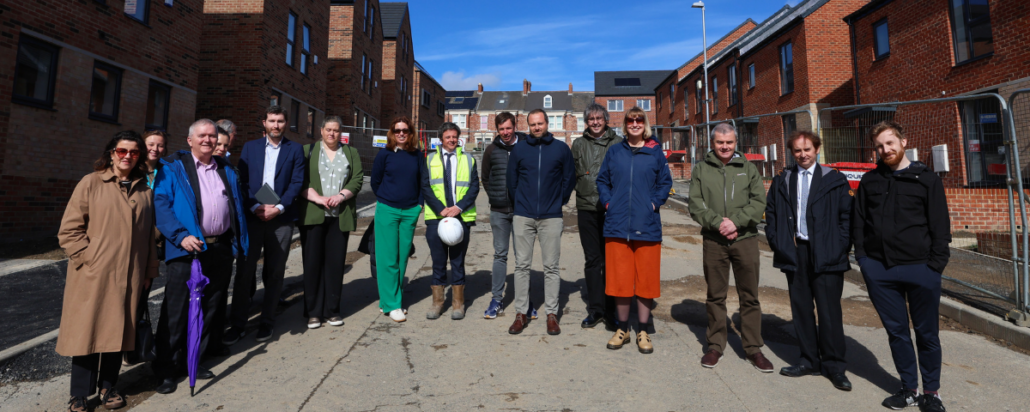
Members from across the North East came together for the first Renew Regeneration Site Tour. This was hosted by the North East Housing Partnership, offering a valuable opportunity to see how housing-led regeneration is transforming communities while also highlighting delivery challenges. The tour forms part of our Renew inquiry, which is explores how regeneration can drive growth, tackle the housing crisis and strengthen communities across the North.
At Cleadon Park in South Shields, the visit demonstrated the long-term impact of sustained investment and strong partnership working. Once one of the most deprived areas in the country, the estate has been transformed by replacing more than 500 outdated homes with around 750 new properties. A strong focus on community engagement has been central to this success, helping to improve wellbeing, opportunity and pride in the area.
We also heard about plans for regeneration in Felling, to make sure the right homes are in place to complement other improvements to the town centre, including through Pride in Place funding. However, scheme viability is proving challenging, making it difficult to get much-needed new homes off the ground.
The final visits to Bensham and Saltwell showed how innovative partnerships are unlocking development, with new, high-quality homes bringing long-vacant sites back into use and supporting more inclusive, sustainable communities. Development of social housing, including homes specifically tailored for the area’s orthodox Jewish community, have acted as a catalyst for development of further new homes for private sale, which are in high demand. This shows the economic and social value of replacing homes that no longer meet the needs of communities.
Overall, the tour reinforced that housing-led regeneration can deliver lasting change, but greater support and investment will be critical to unlocking its full potential. We are conducting more tours across the North as part of our Renew work. To find out more visit the Renew website.
https://renew.northern-consortium.org.uk/wp-content/uploads/2026/05/North-East-Renew-visit.png4801200Dan Ellwoodhttps://renew.northern-consortium.org.uk/wp-content/uploads/2025/11/Renew-by-NHC-logo-300x75.pngDan Ellwood2026-05-27 13:01:462026-05-27 13:02:44North East tour showcases regeneration opportunities and challenges
April has been a significant month for the Renew inquiry.
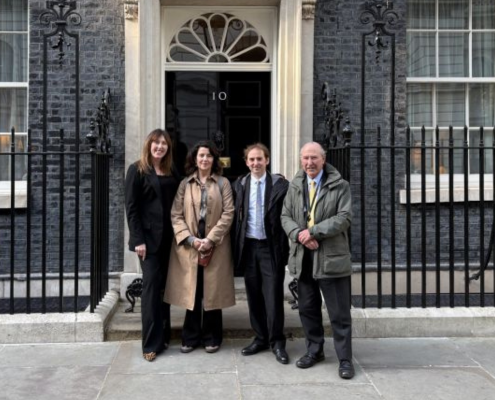
Lord Best, our Renew Advisory Group chair, the NHC’s Tracy Harrison and Patrick Murray and our Chair Charlie Norman went to Downing Street to brief No. 10 advisors about housing-led regeneration in the North. The group shared insight from our Renew inquiry about how housing-led regeneration can deliver growth, help tackle the housing crisis, and strengthen communities across the North.
This meeting was a fantastic opportunity to engage with key people at the heart of the Government and to put forward a case about why housing-led regeneration is an essential part of northern growth and the delivery of new homes, alongside improving existing homes and places. It was also great to get insight from the No. 10 team about current policy priorities and how our work can link in.
At the beginning of April we launched Perspectives on Regeneration, a series of think-pieces from the North’s leading voices on regeneration. The collection sets the context for the Renew inquiry looking at why regeneration is an essential part of tackling the housing crisis in the North.
The articles share examples of best practice and partnership working, as well as covering the importance of resident voice in regeneration. Some of the articles look beyond the social housing sector into the private rented sector, and at community-led initiatives. Inside Housing has supported the series as part of their month-long focus on regeneration publishing articles from our Chief Executive Tracy Harrison and Chair of Homes England Pat Ritchie.
We also brought together the Renew Advisory Group for their first face-to-face meeting in York to discuss initial findings from the Call for Evidence, with the interim report set to launch this summer. We received submissions from housing providers that own or manage 70 per cent of the North’s social housing.
The meeting was followed by a site visit to York Central, one of the UK’s largest brownfield regeneration schemes. The group heard from Homes England’s Leon Guyett about how the site will deliver over 2,500 homes and add in excess of £1.2bn to the local economy. Work is well underway on infrastructure, and the start of the first phase is in sight. The scheme will undoubtably bring massive benefits to the city, but there have been challenges along the way. The site was first identified around 20 years ago, yet only now is it close to becoming a reality.
Planning is underway for a series of visits with northern housing partnerships to member regeneration sites across the North. The tours will showcase sites at different stages of the regeneration journey and share lessons about what works well and barriers to successful delivery. They will help decision makers understand the real-life impact of current and future policy priorities on communities and social housing providers in the North. The NHC will capture learning from the visits and feed it into the Renew inquiry to develop policy and funding recommendations which support successful regeneration in the future.
https://renew.northern-consortium.org.uk/wp-content/uploads/2026/05/NHC-no.10-visit.png4801200Dan Ellwoodhttps://renew.northern-consortium.org.uk/wp-content/uploads/2025/11/Renew-by-NHC-logo-300x75.pngDan Ellwood2026-05-12 09:16:362026-05-14 13:14:07Renew inquiry – meetings at the heart of Government and first publication now live!
Our Renew inquiry has launched a series of think-pieces from the North’s leading voices on regeneration. The collection sets the context for the Renew inquiry, looking at why regeneration is an essential part of tackling the housing crisis in the North.
The articles share examples of best practice and partnership working, as well as covering the importance of resident voice in regeneration. Some of the articles look beyond the social housing sector into the private rented sector, and at community-led initiatives.
Renew is an inquiry, led by the NHC and supported by Homes for the North and Muse, to explore how housing-led regeneration can deliver growth, help tackle the housing crisis, and strengthen communities across the North.
Publication of the ‘Perspectives on Regeneration’ follows the Renew Call for Evidence, which closed at the end of February. The response received from housing associations and local authorities who submitted evidence represents over 70% of the North’s social housing. The perspectives series aims to set the tone for Renew and encourage conversations, collaboration and debate about housing-led regeneration, while the Call for Evidence submissions are analysed.
Northern Housing Chief Executive Tracy Harrison said:
“I’m so grateful to everyone who has contributed to the perspectives on regeneration collection. It has been fantastic working with such a range of voices. This collection sets out what we want to achieve through Renew, the case for regeneration in the North, alongside some inspiring examples of people-centred housing-led regeneration. I hope the perspectives will definitively reset the narrative and change perceptions of regeneration.”
Chair of Homes for North Paul Fiddaman said:
“Housing-led regeneration has the potential to transform communities and turn ambition into real, longterm change for people and places. Our research has identified 80 strategic regeneration projects across the North that could deliver around 43,000 homes and unlock £5.2 billion in investment.
With the right investment — and partners pulling in the same direction — we can improve existing homes, deliver the new affordable housing the region needs, and build thriving communities across the North”
Managing Director of national placemaker Muse Phil Mayall said:
“Regeneration has a vital role to play in tackling the housing challenge across the North, not just by delivering new homes, but by strengthening existing communities and creating places where people want to live and stay.
“These perspectives highlight the importance of long-term partnership, local leadership and community voice in delivering lasting value for places, ensuring no one and nowhere is left behind.”
The perspectives series is available on the Renew website and includes the following articles:
Tracy explains how the Renew inquiry is an essential part of the NHC’s vision that everyone has a safe, warm home that’s affordable to them in a place they’re proud of.
Lord Best shares why he is chairing the Renew inquiry. He wants to make sure there is full recognition of the case for improving the lives of those living in highly unsatisfactory homes and environments – alongside developing new homes.
Ed challenges Renew to build a compelling case for housing-led regeneration by highlighting the social, economic and political benefits, learning from the past and identifying specific challenges in the North.
Paul shares Homes for the North’s findings about the need for and benefits of housing-led regeneration in the North. He discusses how regeneration complements development of new homes, and ways regeneration can be supported at scale.
Phil looks at the ingredients needed to make regeneration a success including partnership working and community trust built through delivering visible results.
Charlie and Nick believe that that devolution offers a massive opportunity. They argue a dedicated, locally administered funding pot for housing regeneration would be transformative. It would allow regions to target investment where it will have the greatest impact and drive long term regeneration
Andrew Cooper MP for sets out how housing-led regeneration gives Government the opportunity to connect national objectives – growth, opportunity, and fairness – with the everyday places where people live their lives.
Dr Michael shares learning from Liverpool’s Grove Street regeneration project. He says regeneration is about more than replacing old homes, it’s about renewing opportunity, restoring pride and building the conditions for long-term prosperity.
Cedric shares a different approach to regeneration talking about how Unity’s two main divisions, Unity Housing and Unity Enterprise, work together to provide a launchpad for people to transform their life chances.
Lara shares how a ‘Resident Power’ approach to the regeneration of Gleadless Valley has built trust and established an important community role in the future of the area.
Carla shares her views on issues in the private rented sector, and why the sector must be at front of mind when planning regeneration. Carla founded The Ethical Lettings Agency in Redcar in Teeside in 2015.
Paula sets out how East Marsh in Grimsby has been transformed by residents through a community-led movement.
The next steps for Renew include publication of an interim report in the summer, which will analyse responses to the Call for Evidence, and a series of tours visiting regeneration sites across the North.
To find out more about Renew and to read the perspectives visit the Renew website.
https://renew.northern-consortium.org.uk/wp-content/uploads/2026/05/Renew-Perspectives-NHC-banner-1-2048x563-1-1500x412-1.jpg4121500Dan Ellwoodhttps://renew.northern-consortium.org.uk/wp-content/uploads/2025/11/Renew-by-NHC-logo-300x75.pngDan Ellwood2026-05-12 09:14:092026-05-12 09:14:11Renewed perspectives on regeneration in the North



 Importantly, regeneration delivers benefits that extend far beyond housing alone. Investment in homes can help attract investment in infrastructure, town centres and local services. It creates jobs, supports skills development and gives communities greater confidence in their future.



 Up next was a panel session about ‘Integrated settlements: Building connected systems for long-term growth’, chaired by Tracy Harrsion, with Ruth Davison Interim Director of Environment and Place, West Yorkshire Combined Authority, Ed Ferrari, Research Director, Mosidi, and Tom Hinchcliffe Director of Housing First, Greater Manchester Combined Authority. The panel agreed that we’ve come a long way with devolution, and that integrated settlements are helping deliver a more joined up approach to places. Importantly the discussion focused on the democratic mandate of Mayors and how more accountability should flow to local communities rather than central Government.