
Phil Mayall, Managing Director at leading national place maker Muse shares how housing renewal sits at the heart of creating better places where people want to live, work and invest. He looks at the ingredients needed to make regeneration a success, including partnership working and community trust built through delivering visible results.
 As someone born and raised in the North, I have spent much of my career working on regeneration in its towns and cities. One thing is clear. No two places are the same.
Across much of the North, the housing challenge is not simply about increasing supply. It is about delivering future-proofed, affordable homes that are built to last and responding to ageing, non-decent stock. But housing renewal cannot happen in isolation. It needs to sit within a wider vision to reinvigorate town and city centres, reconnect neighbourhoods and create places where people genuinely want to live, work and invest.
The Government’s ambition to deliver 1.5 million homes is both welcome and essential. In the North, meeting that ambition must include renewing existing communities as well as building new ones. Housing led regeneration must sit alongside new supply if we are serious about growth and restoring pride in place.
There is momentum. Long term investment has been committed. Devolution is strengthening local leadership, with Mayors and combined authorities now better placed to align housing, transport and skills. The foundations are there. The focus must now be on delivery.
Regeneration is long term placemaking
Regeneration is sometimes reduced to demolition and rebuild. In reality, it is about shaping places that work for people and reflect the character of the communities they serve.
Done well, housing-led regeneration restores confidence. It improves health and wellbeing, creates safer public spaces and supports local businesses. It connects homes with opportunity. Just as importantly, it should channel the heritage and identity of a place through new development, combining the history of a town or city with sustainable design that prepares it for the future.
In Bradford, our work on City Village, delivered by ECF in partnership with Bradford Council, is about creating a green, sustainable neighbourhood in the heart of the city. It will provide new homes alongside public space, independent retail and community infrastructure, contributing to the wider resurgence of Bradford.
That is what regeneration should do. It should strengthen the whole place.
It is also economic infrastructure. When homes are delivered in accessible locations and aligned with employment and transport investment, local economies benefit. Productivity improves. Inclusive growth becomes more than an ambition. It becomes deliverable.
Capability matters as much as capital
Funding is critical. But investment alone does not unlock complex places.
Regeneration involves brownfield sites, fragmented ownership, infrastructure constraints and viability pressures. It demands experience and long-term commitment.
It requires integrated teams working across development, commercial strategy, sustainability, community engagement and long-term stewardship from the outset. These disciplines must be aligned around a shared purpose for a place.
At Muse, that integrated approach is central to how we work. Structuring teams around the needs of a place, and staying involved beyond completion, protects ambition when challenges arise. It ensures environmental standards, commercial realities and community priorities are considered together.
As new investment flows into housing and regeneration, the focus must remain firmly on delivery. Ambition alone is not enough. The right partnerships, clear local leadership and long-term commitment are what translate policy into homes on the ground.
Partnership unlocks progress
 Neither the public sector nor the private sector can deliver regeneration alone.
Local authorities and combined authorities bring leadership and local knowledge. Homes England provides national alignment and support. Institutional investors bring patient capital. Delivery partners bring experience of managing risk.
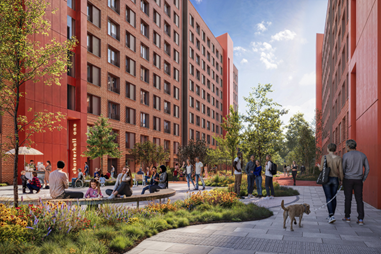
Through partnerships such as our long-standing ECF collaboration, we have seen how shared risk over decades can unlock large scale regeneration. The transformation of Salford Central is one example of a thriving mixed-use neighbourhood with homes and workspace which has been delivered over many years.
Habiko, our latest joint venture with Pension Insurance Corporation and Homes England, applies the same principle to affordable housing delivery. With schemes progressing in Warrington and Chester, it is delivering low carbon homes for rent in sustainable town centre locations, combining patient capital with development expertise to create lasting social impact.
Devolution strengthens that opportunity. Mayoral combined authorities can align housing, transport and skills in a way that supports genuine place-based growth. If housing led regeneration is embedded within those wider strategies, it can move beyond isolated schemes and deliver change at scale.
Visible benefits build trust
At its heart, regeneration must deliver tangible outcomes.
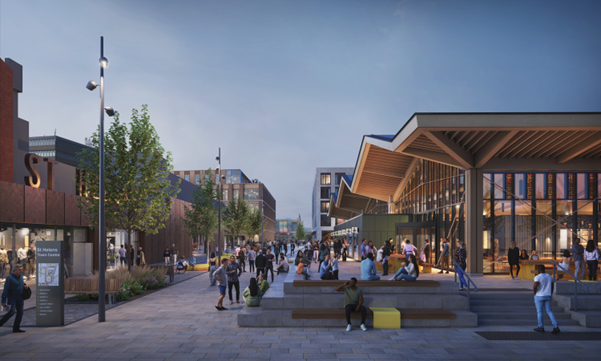
In St Helens, the town centre transformation now underway links new homes with job creation, improved public space and stronger connectivity. It supports inclusive growth and aims to create long term economic value for the borough.
Across our work, regeneration creates apprenticeships, supports supply chains and improves environmental performance alongside housing delivery. Those early and visible benefits are important.
In many Northern towns there is deep pride. There can also be scepticism where plans have come and gone. Delivery builds trust. Communities need to see progress.
Meaningful engagement must therefore sit at the heart of regeneration. Places should be shaped with communities, not for them.
Being clear about the challenges
There are real constraints. In some markets, regeneration cannot be sustained on land value alone. Infrastructure requirements and remediation costs can create viability gaps. Utilities capacity and planning resourcing can slow progress.
The policy direction is positive. The task now is alignment. Funding streams must work together. Delivery vehicles need flexibility. Devolved leaders need certainty to plan for the long term.
By combining public support, patient capital and experienced delivery capability, we can unlock regeneration that might otherwise stall.
Looking ahead
 The North has strong leadership. It has committed investment. It has experienced delivery partners ready to act.
If we align those strengths and think in decades rather than short cycles, housing led regeneration can help meet national housing targets while renewing the neighbourhoods that need attention most.
The ambition is clear. The opportunity is real. Our focus now must be on working together to deliver.
The perspectives collection showcases a range of opinions about regeneration. The views expressed in the articles are the author’s and do not necessarily reflect the position of the NHC or the Renew inquiry.