
LONG-TERM ESTATE REGENERATION COMBINING AFFORDABLE HOUSING, PLACEMAKING AND COMMUNITY INVESTMENT
“Now I have a decent home and a space of my own, I finally feel I can thrive, not just survive”
Sale West, Trafford
Context
Sale West in Trafford is a long-term housing-led regeneration programme running from 2020 to 2027. The vision for the £50 million masterplan was to deliver 263 new homes, enhance green spaces and biodiversity, and improve 1,100 existing homes.
In the 2019 Index of Multiple Deprivation the estate ranked within the 20% most deprived neighbourhoods nationally and was identified in the Trafford Core Strategy as a Priority Regeneration Area. By 2025, the area had improved to within the top 30% of neighbourhoods indicating reduced deprivation and improved access to housing and services.
Project
The regeneration combines phased housing delivery with long-term community investment. Phase 1 delivered 79 homes for social rent alongside environmental improvements and upgrades to existing homes. Phase 2 delivered 22 affordable rent apartments including 11 adaptable-ready homes. Phase 3, currently on site, is delivering 66 homes for social rent, including homes for older people and supported housing for adults with learning disabilities. Phase 3 homes are being delivered to Truly Affordable Net Zero (TANZ) standards, achieving EPC A and Low Energy Transformation Initiative (LETI) targets.
Alongside new homes, more than 600 roofs, 640 kitchens, and 235 energy efficiency measures have been installed to existing properties. Environmental improvements include new play areas, communal spaces, tree planting, resurfaced ginnels and parking courts, a nature trail and a new link road. This dual focus prevents the creation of a “two tier” estate and has been critical in ensuring cohesion between new and existing residents.
Key issues that were resolved
Key barriers included maintaining community confidence during long-term phased regeneration, adapting to changing housing needs, and coordinating multiple funding streams.
FACTORS SUPPORTING DELIVERY
Leadership & Oversight
Irwell Valley Homes has led the regeneration in partnership with Trafford Council, Homes England and wider Greater Manchester stakeholders.
Funding & Finance
Nearly £40 million has been invested to date through a blend of funding from Irwell Valley Homes, Homes England, Brownfield Land Funding, Levelling Up funding and recycled Capital Grant funding.
Engagement & Accountability
Residents shaped design principles and priorities through workshops, consultation events and co-design activities. Internal lettings policies prioritised some new homes for existing residents to reduce displacement and strengthen community cohesion.
Capacity & Knowledge
Partnership working has combined housing renewal with health, employment, and community initiatives.
Planning, Land & Assembly
Phased delivery enabled continued investment across new homes, estate renewal and environmental improvements while adapting to local housing needs.
Having only outline planning as part of the hybrid application for the estate regeneration presented some challenges, and led to a reduction in the number of homes being delivered as part of the later phases – compared to the overall vision for the masterplan.
Outcomes
Housing and supply
The programme is delivering 167 affordable homes alongside significant improvements to 1,100 existing homes.
Economic growth
The programme combined housing delivery with apprenticeships, work experience, employment support, health programmes, cost of living support and the HITZ youth engagement programme.
Sustainability
TANZ standards, biodiversity enhancements, tree planting and energy efficiency upgrades including ventilation and heating systems have improved sustainability in the home and reduced running costs for residents.
People and place
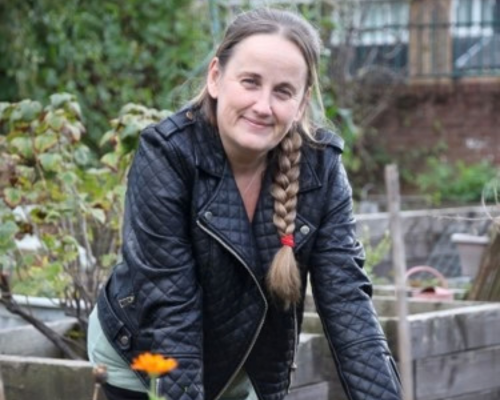
Investment in community facilities, allotments, play areas and activities and initiatives delivered through a community café has strengthened social connection, reduced isolation and improved wellbeing. Residents report greater pride and confidence in the future of the neighbourhood.

